
“Hard conversations do not have to become harsh ones. Learn four practical ways to communicate clearly, listen with respect, and agree on what happens next. Before you begin, take a moment to reflect on your own resilience with the Resilience Anchor Self-Check.”
By Joyce Odidison
You may have a concern that needs to be addressed, yet keep postponing the conversation because you do not want to hurt someone, damage the relationship, or sound overly critical. As the issue continues, your frustration can grow until the conversation comes out more sharply than you intended.
Being gentle does not mean making your message so vague that the other person cannot understand it. In conflict work, I help people become clearer about what needs to be said and how to say it with respect.
Part of that preparation is noticing what you are bringing into the conversation. Are you ready to listen, or are you already feeling stretched, frustrated, or unsupported? Checking in with yourself can help you decide what you need before addressing the issue.
Here are four tips you can practise.
1. Decide what the conversation needs to accomplish.
Before you begin, identify the specific issue and the outcome you want. Are you clarifying a responsibility, requesting a change, or addressing a pattern? Keeping the purpose clear helps you avoid bringing every past frustration into one conversation.
Try completing this sentence before you begin: “By the end of this conversation, I would like us to agree on…”
2. Describe the behaviour without assigning a motive.
Try saying, “The last two updates arrived after the agreed deadline, which left us little time to review,” rather than, “You do not care about the team.”
Specific examples give the other person something they can respond to without having to defend their character. Focus on what happened, how it affected the work or relationship, and what needs attention.
3. Make room for their perspective.
Ask, “What is making this difficult?” and listen to the answer. You may learn about unclear instructions, competing demands, or a disagreement that has not been discussed.
Listening gives you information; it does not require you to abandon a reasonable expectation. You can acknowledge someone’s difficulty while still discussing what needs to change.
4. Close with a clear agreement.
Explain what needs to happen next and check that you both understand it. You might say, “Can we agree that you will let me know by Wednesday if Friday’s deadline is at risk?”
Record important commitments and decide when you will review them. A clear agreement gives you both something specific to follow through on and return to if the issue continues.
Before your next hard conversation, check in with yourself.
A respectful conversation can be uncomfortable and still be useful. Choose a setting and approach appropriate to the situation; where there is intimidation or a risk of retaliation, seek appropriate support rather than assuming you must handle it alone.
You have considered what you need to say. Now take a moment to consider what you need to feel supported as you say it.
Have you had time to settle your frustration? Do you need to clarify your expectations, write down your main concern, or ask someone you trust for support?
When you are already stretched, even a necessary conversation can feel like one more demand. Preparing your words matters. Paying attention to your own resilience deserves a place in that preparation, too.
My Resilience Anchor Self-Check is a place to begin that reflection. Set aside a moment to check in with yourself as you prepare for the conversations and responsibilities asking more of you.
Explore the Resilience Anchor Self-Check
You can be clear about what needs to change while paying attention to what you need, too.
Today’s reflection: What is one conversation you have been postponing, and what would help you approach it with clarity and respect?
How does this insight speak to your current season?
Connect with fellow community members, share your reflection, and explore weekly anchors in the Resilience Hub.
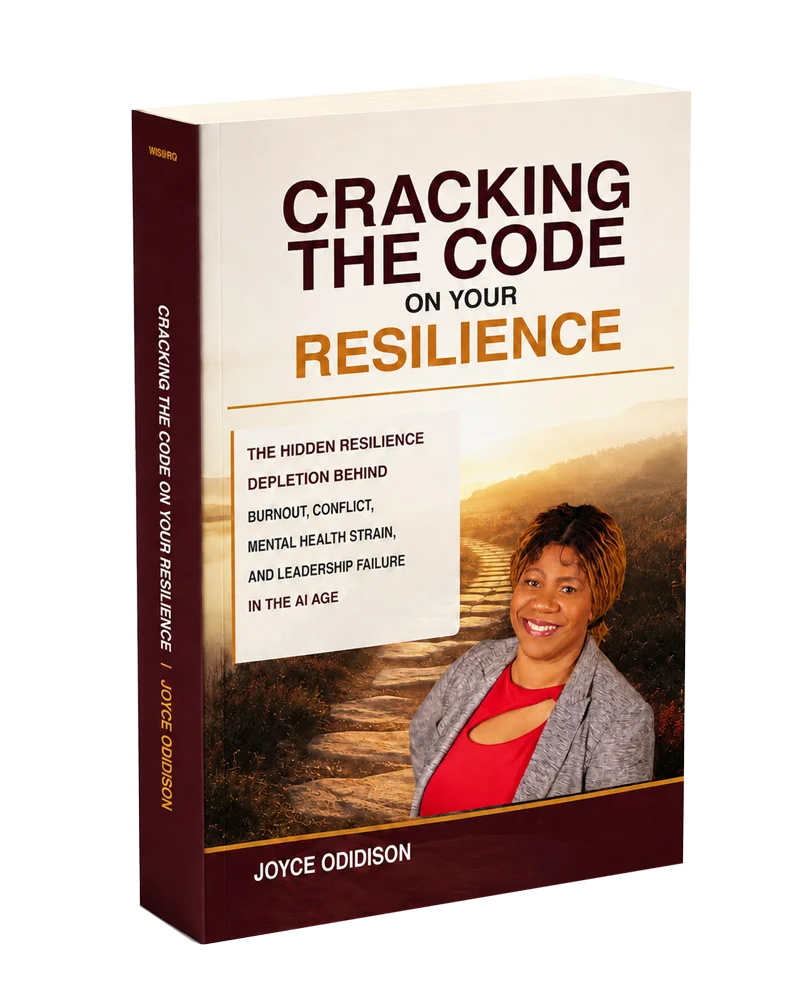
Cracking the Code on Your Resilience
Discover the 7 resilience currency streams and learn how to identify, replenish, and direct your personal resilience capacity.