
“Storms arrive on their own schedule. A diagnosis lands on an ordinary Tuesday. A job ends without warning. A relationship you thought was solid starts taking on water. What keeps a person upright in that moment is what they're anchored to. I've spent years studying resilience, in boardrooms and in my own life, and here's what I keep coming back to. Resilience is something built, not a trait some people are handed and others aren't. It's about having something fixed beneath you when the water gets rough. I call that an anchor.”
Storms arrive on their own schedule. A diagnosis lands on an ordinary Tuesday. A job ends without warning. A relationship you thought was solid starts taking on water. What keeps a person upright in that moment is what they're anchored to.
I've spent years studying resilience, in boardrooms and in my own life, and here's what I keep coming back to. Resilience is something built, not a trait some people are handed and others aren't. It's about having something fixed beneath you when the water gets rough.
I call that an anchor.
Why Willpower Isn't Enough
We've been sold a version of resilience that sounds like gritting your teeth and pushing through. Work harder. Think positive. Bounce back. But anyone who has actually weathered a real storm knows that willpower runs out. It's a resource, and like any resource, it can be spent down to nothing.
An anchor works differently. You put it in place long before the wind picks up, so it's already there and already holding by the time you need it. Your values. Your sense of purpose. The people who know the true story of your life. Your faith, however you name it. These aren't reserves you build during the crisis. They're the ground you were already standing on.
What an Anchor Actually Does
An anchor doesn't stop the storm. Let's be clear about that. It doesn't keep the waves from coming or the wind from howling. What it does is keep you from drifting into the rocks while the storm has its say.
That's an important distinction, because so many people wait for the storm to end before they try to steady themselves. By then it's often too late. The work of anchoring happens before, not during. It's the quiet, unglamorous practice of knowing what you believe, who you can call at two in the morning, and what you're actually here to do, done long before you need any of it.
Finding Your Own Anchors
Not everyone anchors to the same thing, and that's exactly as it should be. For some it's faith, however they name what they believe in. For others it's a clear sense of purpose that won't let them quit. For others still, it's the people who've earned the right to tell them the truth.
Here's something worth sitting with. Think back to the last time the ground shifted under you, and notice what you actually reached for, not what you wished you'd reached for. That's likely one of your real anchors, and it's worth strengthening now, while the water is calm.
Because here's the thing about anchors. You don't build them in the storm. You maintain them in the calm, so they're already there and already strong when the storm finds you. And it will find you. It finds everyone.
Steadiness Is a Practice
Staying steady isn't a single decision you make once. It's a practice, repeated in small ways, long before you need it to hold. Check your anchors today, while nothing is wrong. That's exactly when the work sticks.
Want to know which anchors are actually holding you steady, and which ones need reinforcing? The WIS®RQ Resilience Intelligence assessment can show you where your resilience currency is strong and where it's running low.
How does this insight speak to your current season?
Connect with fellow community members, share your reflection, and explore weekly anchors in the Resilience Hub.
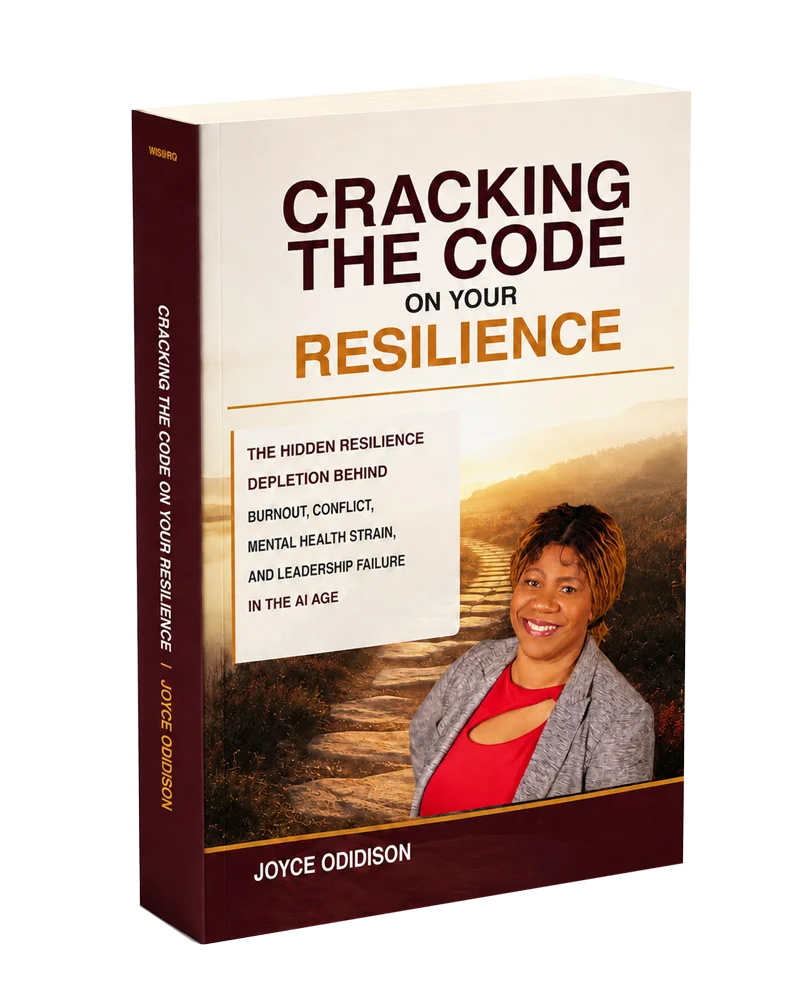
Cracking the Code on Your Resilience
Discover the 7 resilience currency streams and learn how to identify, replenish, and direct your personal resilience capacity.