
“There are moments when criticism lands harder than it should. A simple comment feels sharp. A piece of feedback feels personal. Even neutral observations can trigger self‑doubt or emotional discomfort. If you have been feeling this way, it is not a flaw in your character. It is a signal that your Identity Anchors may be running low.”
There are moments when criticism lands harder than it should. A simple comment feels sharp. A piece of feedback feels personal. Even neutral observations can trigger self‑doubt or emotional discomfort. If you have been feeling this way, it is not a flaw in your character. It is a signal that your Identity Anchors may be running low.
Identity Anchors answer one of the most important resilience questions: Who are you when no one is evaluating you. They stabilize your sense of self beneath roles, expectations, and performance. When these anchors are strong, you move through conflict, feedback, and pressure without losing your footing. When they are depleted, everything becomes heavier.
Why Criticism Hurts More During Identity Depletion
Your framework describes this clearly: “When these anchors are depleted, people spend resilience currency on pretending, and pretending is expensive.” Pretending drains your inner resources. It forces you to perform a version of yourself that is not fully grounded. Under that strain, criticism does not just challenge your actions. It challenges your identity.
This is why you may notice that feedback feels threatening, conflict feels personal, confidence slips, emotional sensitivity increases, and leadership becomes harder to sustain. Identity depletion makes you more reactive because you are already carrying the weight of staying composed.
Community Activity Prompt:
Take a moment to reflect on the past week. Identify one situation where criticism or feedback felt heavier than usual. Share it in the Identity Currency Stream and note what part of your identity felt pressured.
The Leadership Impact
Leaders feel identity depletion intensely. Your framework states: “A leader whose identity anchors are depleted leads from the outside in. They manage impressions rather than make decisions.” This creates instability that teams can feel even if they cannot name it.
It often shows up as over explaining decisions, avoiding difficult conversations, shifting direction based on who is in the room, doubting your own judgment, or feeling disconnected from your purpose. This is not incompetence. It is a resilience signal.
Community Activity Prompt:
If you lead a team, identify one recent moment when you felt yourself managing impressions instead of leading from your internal stance. Add your reflection to today’s discussion thread.
Rebuilding Your Identity Anchors
Identity Anchors strengthen when you return to the truth of who you are. This happens without performance, without apology, and without the exhausting pressure to be acceptable in every room. Rebuilding begins with three steps.
Step One: Name where you feel depleted.
Identity depletion often shows up as self doubt, emotional sensitivity, or feeling disconnected from your values.
Step Two: Stop spending resilience on pretending.
Pretending drains identity currency faster than any other behavior.
Step Three: Reconnect with your internal stance.
Identity Anchors grow when you reclaim the parts of yourself pressure pushed aside.
Community Activity Prompt:
Choose one of the three steps and complete it today. Post your insight in the Identity Currency Stream so others can learn from your experience.
if you are over reacting to to criticisms and finding yourself crying in the office or bathroom, check your identity anchors
Joyce
How does this insight speak to your current season?
Connect with fellow community members, share your reflection, and explore weekly anchors in the Resilience Hub.
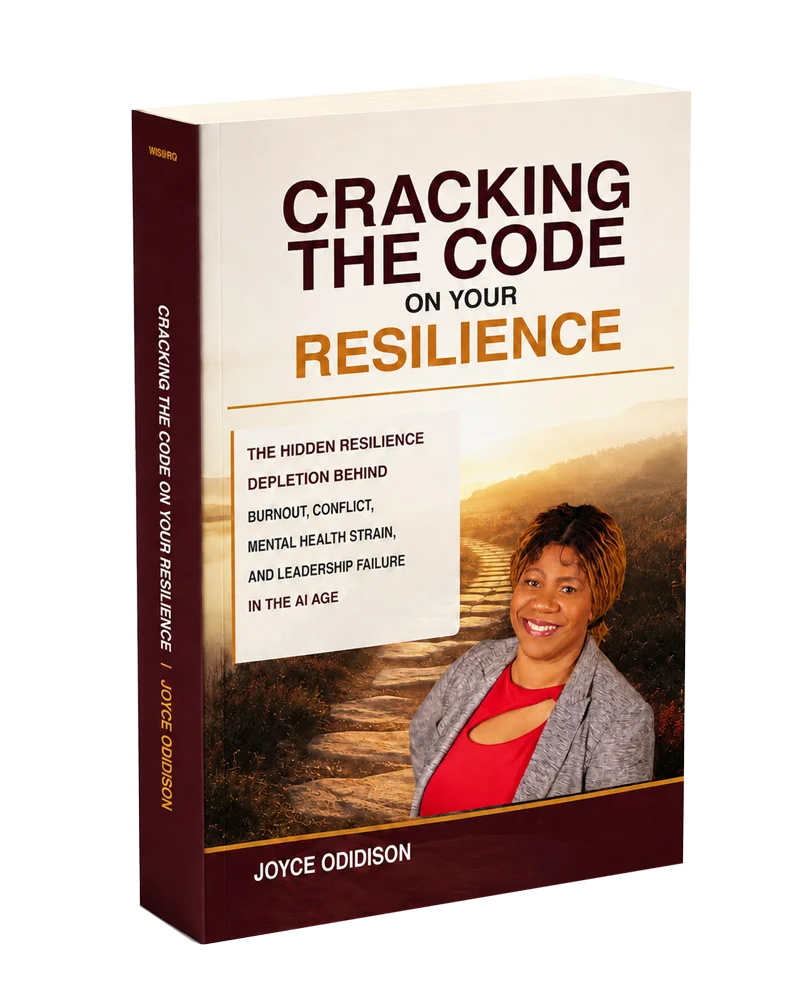
Cracking the Code on Your Resilience
Discover the 7 resilience currency streams and learn how to identify, replenish, and direct your personal resilience capacity.